
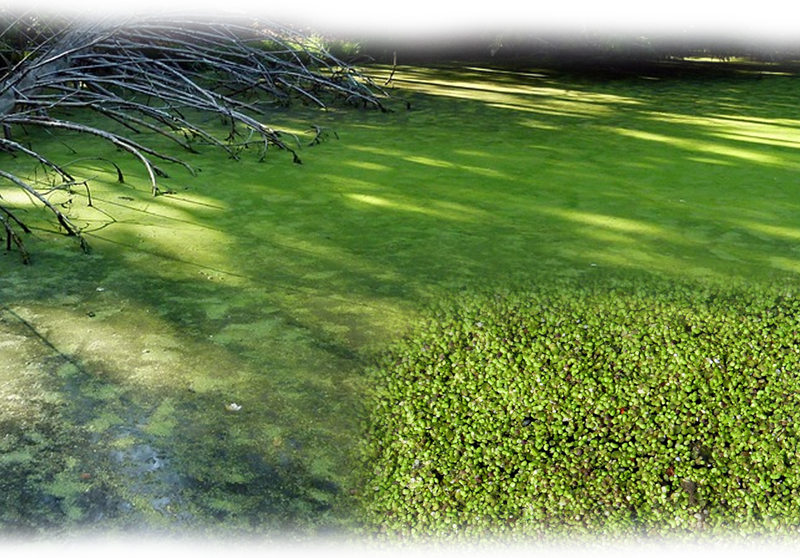
Common duckweed
 6
6 4
4 9
9Will it grow where I live?
Common duckweed is an annual and grows outdoors across Central Europe – one season from spring sowing to autumn harvest.
Or check it for your location right here:
Profile
- Family
- Araceae
- Habit
- Water plant
- Height
- 0 m
- Spread
- 0 m
- Growth
- fast
- Lifespan
- 1 year
- Yield per plant
- up to 0 kg
- Hardiness
- zone 4–8
- Shade tolerance
- light shade
- Soil moisture
- near water – in water
- pH
- 3 – 10
- Synonyms
- Entengrütze
Uses
Edible: Occasionally used as a vegetable. No further details provided, but we have found the taste to be undesirable.
Growing
Duckweed thrives in sunny areas of calm water rich in nitrates and calcium. While it can be a nuisance pond weed, it is easily controlled by skimming. The skimmed material is excellent for adding to compost piles. This plant serves as a valuable food source for fish and birds, also providing shelter for pond organisms. In temperate regions, Duckweed survives winter through dormant buds sinking to the pond bottom in late autumn and resurfacing in spring.
Propagation
Seeds - We have no information about this species, but since it spreads quickly through division, it actually does not need any additional assistance once it is in a pond.
Notable
Features: spreads through budding in stagnant waters; overwinters through dormant buds sinking to the pond bottom in late autumn & resurfacing in spring; purifies the water; plant collects+stores minerals, meaning e.g. its radium content is 100-600 times higher than in the surrounding water.
Origin & habitat
A cosmopolitan plant found in most regions of the world, but absent in the tropics.
Forests, hedges, and shaded areas where trees, walls, etc., climb and creep over the ground. Found on all types of terrain.
Frequently asked questions
Common duckweed: how big does it get?
Common duckweed (Lemna minor) grows as a Water plant and reaches roughly 0 m in height when mature, with a spread of about 0 m. Growth is fast.
Common duckweed: what site does it need?
Common duckweed tolerates light shade. Soil moisture should be in the range near water – in water. The pH may lie between 3 and 10.
Common duckweed: is it hardy?
Common duckweed is listed as hardy in zone 4–8 and survives normal winters outdoors there.
Common duckweed: will it grow in Central Europe?
Common duckweed is an annual and grows outdoors across Central Europe – one season from spring sowing to autumn harvest.
Common duckweed: is it poisonous?
No toxicity is recorded for Common duckweed. With wild plants, never rely on a database alone — only on a confident identification.
Common duckweed: what is it used for?
Rated on a scale up to 10: Edible 6/10, Medicinal 4/10, Other uses 9/10.
Plan this plant into your own garden
Permaplans plans your garden to scale on the map — with a site check, harvest calendar and over 1,000 plants. Free for iPhone, Android, Mac, Windows & Linux.
Will this plant grow where you live? → Check your site
Community experience
No first-hand reports for this plant yet.
Growing it? Write in the app what works for you – your post will show up here.
💬 Get the app and join in