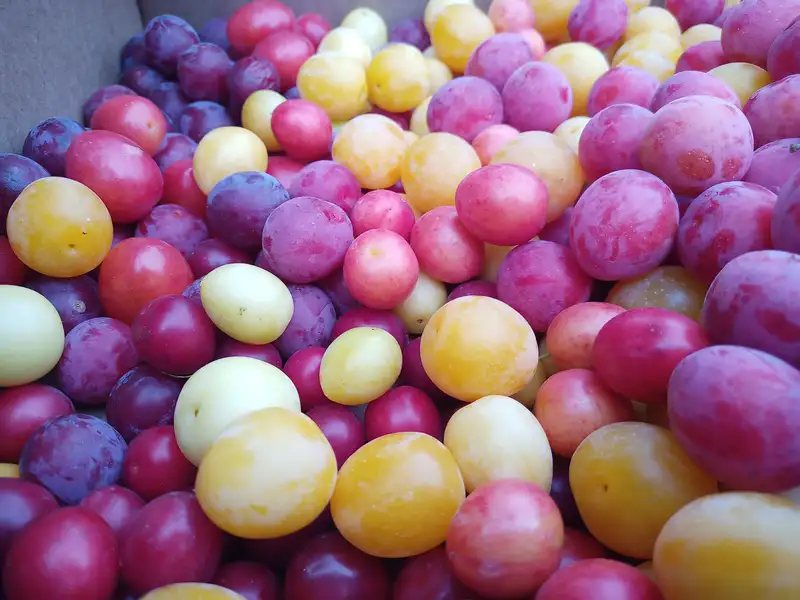
Drawn by hand
The symbols on the cards, the icons in the app, the plant silhouettes in the planning view: much of it was drawn, stroke by stroke. Carmen designed a large share of the icons that still give the app its character today.

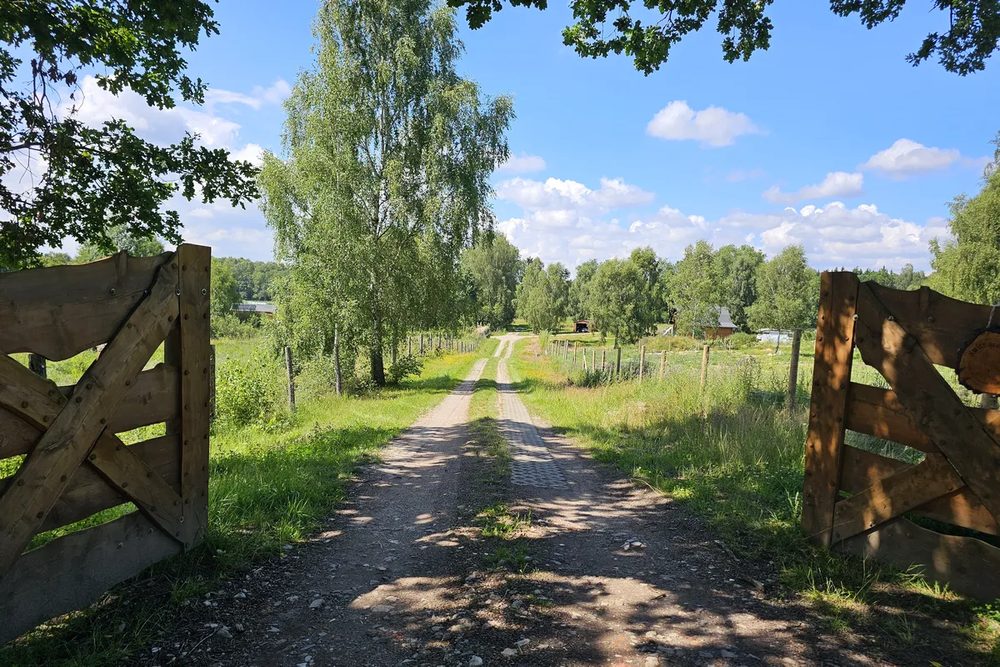
Permaplans did not appear over one summer. It began with hand-drawn cardboard cards, released in a metal tin in 2018. Their data became a database, and from 2020 that database became an app — built by trained developers, long before anyone talked about AI-generated filler.
The origin
In 2018 Permaplay came out: planning and playing cards for self-sufficient gardeners, in a metal tin. We started with about 72 plant cards carrying more than 50 attributes on both sides — yield, calories, food-forest layer, hardiness, bloom, edible parts, medicinal use, nectar and pollen value for beekeepers. Researched by hand, designed by hand. Today there are more than 140 different plant portrait cards.
Anyone who knows the cards recognises the app immediately. The colour bars, the symbols, the arrangement of the values: the plant profile in Permaplans is the direct continuation of those cards — except that today it holds more than 1,100 species.
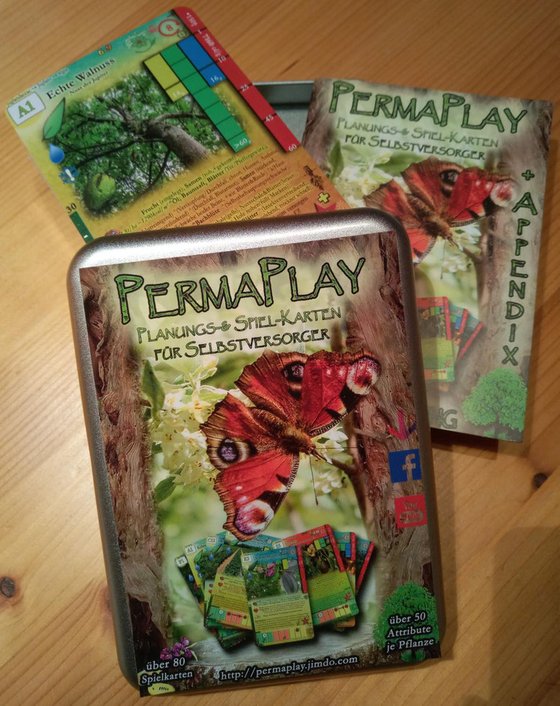
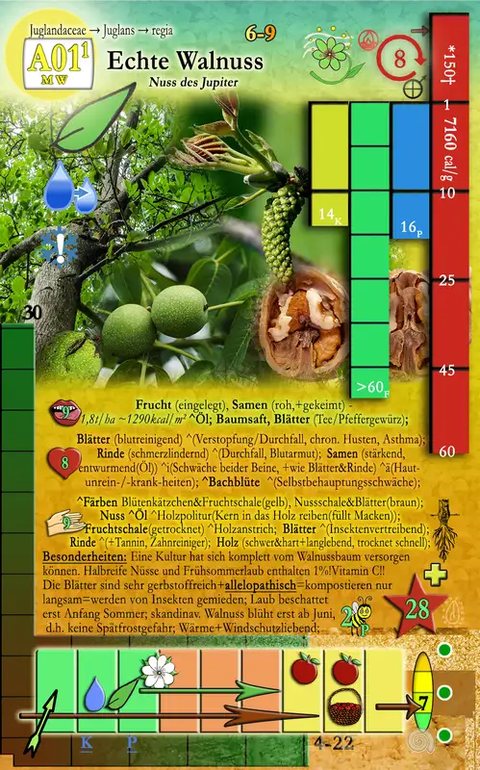
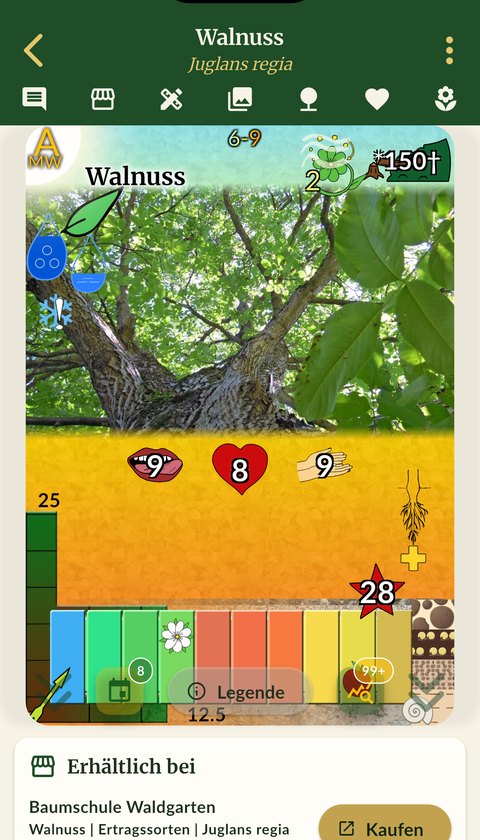
On the left Permaplay from 2018, in the middle the walnut card, on the right the same walnut in the app today.
Craft
The symbols on the cards, the icons in the app, the plant silhouettes in the planning view: much of it was drawn, stroke by stroke. Carmen designed a large share of the icons that still give the app its character today.
More than 200 attributes per plant are not lying around on the internet. They come from literature, cultivation data and field reports — gathered over years, species by species. This database is the core of everything, in the tin as well as in the app.
AI tools only joined late in development: for hard-to-read error messages, for translations into thirteen languages, for individual images. They speed up the work. Nothing here was founded on them.
The people
I am Taro. I built the plant database, designed the cards, and today I develop the app further. But the foundation was laid by people who studied this — the team behind Permaplans is small, but it was never just one person.
Initial development 2020–2022
A trained developer who built the app from scratch — first in Ionic, then as a clean rewrite in Flutter. That architecture still carries Permaplans today.
Technical rescue from 2024
Found the bugs I had been stuck on for a year and got the project moving again technically. Without him the app would still be sitting idle.
Design & icons
Drew the icons that give the app its face — on the cards as well as in the app.
Crowdfunding 2020
Around €5,000 came together through a crowdfunding campaign and made the first development phase possible at all. For that, to this day: thank you sincerely.
Since day one
Tests, reports bugs, suggests features and votes on them. A good share of what is in the app today came from you.
The story
The planning and playing cards for self-sufficient gardeners are released: around 72 plants, more than 50 attributes per card, all designed by hand. They sell — and the feedback keeps coming: "this belongs in an app."
A call in a video finds someone who wants to build the app. After a year he has not started.
Pacham, a trained developer, comes on board. A crowdfunding campaign raises around €5,000. A year later there is a first plant search based on the card database.
Instead of patching Ionic further, the app is cleanly rewritten in Flutter. Same features, much faster — and the basis for running on six platforms today.
I set up the development environment, work through a Flutter course and take over parts of the work. Shortly afterwards a new employment contract bars Pacham from side work — and I am left with bugs I cannot solve.
The app sits idle. Then Mike finds the bug everything hinged on. From there it moves again — and I have been developing it daily since.
The app appears for testers in the Play Store: a first Android version with plant search, garden planning, marketplace and games. The basis of today is in place.
Permaplans is released on iOS, Android, macOS, Windows, Linux and in the browser. Thirteen languages, more than 1,100 species, GPS-accurate maps, yield projections across decades.
Where it is heading
Where it goes is partly up to you. Permaplans is meant to help people plan and live permaculture — from the first plant to the food forest that bears in twenty years. In the app you can submit wishes and use points to prioritise what gets built next.
And if you have a question, write to me. There is no corporation behind this app — just a person with a garden.